Tree Lopping and Removal in Stratford: Safe, Smart, and Professional Tree Care
Tree lopping and removal in Stratford is more than a matter of cutting branches or taking down a tree. It is a practical service that helps protect properties, improve outdoor spaces, and keep trees healthy when pruning is the right option. In a busy area like Stratford, where homes, businesses, roads, and green spaces sit close together, responsible tree care matters. Whether a tree is overgrown, storm-damaged, diseased, or simply planted in the wrong place, choosing the right solution can make a big difference.
Many people search for tree lopping Stratford or tree removal Stratford when they notice a tree becoming unsafe, blocking sunlight, or interfering with buildings and power lines. Others look for help after heavy winds have cracked limbs or exposed roots. In every case, the aim is the same: keep the site safe while making the best decision for the tree and the surrounding environment.
Stratford residents often want a service that is fast, careful, and respectful of their property. That means understanding when tree lopping is suitable, when full tree removal is necessary, and how professional arborists assess risks before starting work. With the right approach, tree care can improve kerb appeal, reduce hazards, and support healthier growth across gardens, commercial spaces, and public-facing landscapes.
Understanding Tree Lopping and Removal in Stratford

Tree lopping and removal in Stratford covers two related but very different services. Tree lopping usually refers to the reduction of large branches or the reshaping of a tree to manage size, balance, or safety. Tree removal involves taking down the entire tree, including the trunk and often the stump, when the tree cannot remain safely on the site.
People often use the terms interchangeably, but a professional tree specialist will assess the condition of the tree before recommending a solution. In some cases, strategic pruning is enough to restore safety and appearance. In other cases, especially when a tree is dead, structurally unsound, or causing foundation damage, removal may be the only reasonable option.
Because Stratford includes a mix of residential streets, apartment blocks, retail spaces, and established gardens, the demands on local trees can be significant. Trees may need work because they are crowding rooftops, shading windows, lifting paving, or leaning toward fences and driveways. Local conditions, such as compacted soil and limited root space, can also affect stability and growth.
Why Local Expertise Matters
A local team experienced in tree lopping and removal in Stratford understands the area’s property layouts, common tree species, and practical access challenges. That knowledge helps them plan work safely and efficiently. It also means they are better equipped to recommend the right technique for each tree rather than taking a one-size-fits-all approach.
Common Reasons for Tree Lopping in Stratford

Tree lopping in Stratford is often requested when a tree has grown too large for its surroundings. While healthy trees are valuable, unchecked growth can create problems for nearby buildings, garden structures, and access paths. Controlled reduction can help bring a tree back into proportion with the space it occupies.
Another common reason is light management. Large trees can block natural sunlight from entering homes, patios, and commercial premises. By trimming selected branches, it is possible to improve light levels without removing the entire tree. This is especially useful in dense urban settings where one tree can affect several neighbouring properties.
Safety is also a key factor. Branches that hang over roads, paths, roofs, or parking areas may need to be reduced before they break or fall. In Stratford, where foot traffic and vehicle movement are constant, even a small failure can cause major disruption. Professional lopping reduces risk while preserving the tree where possible.
There are also aesthetic reasons. Some trees become uneven, top-heavy, or messy in appearance after years of unbalanced growth. A thoughtful pruning or reduction can improve structure, create a more attractive shape, and make the outdoor area feel better maintained.
When Lopping Is a Better Choice Than Removal
If a tree is healthy enough to recover and its root system is stable, lopping or selective pruning may be a sensible solution. This approach is often preferred when the owner wants to preserve the tree, improve safety, and avoid the larger cost and disruption of removal.
When Tree Removal in Stratford Becomes Necessary

Tree removal in Stratford is usually recommended when a tree poses a serious risk or no longer has a viable future. Dead or dying trees can become brittle, unstable, and unpredictable. They may lose large branches in high winds or collapse unexpectedly, creating a clear hazard for nearby people and property.
Diseased trees are another concern. Some infections spread through the trunk, roots, or surrounding soil and can weaken the tree beyond recovery. If treatment is not practical or the tree is already too damaged, removal may prevent the issue from affecting other trees in the area.
Root-related problems also lead many property owners to seek tree removal Stratford services. Roots can interfere with drainage systems, crack paving, or put pressure on walls and foundations. In limited spaces, a large tree may simply be unsuitable for the location, even if it remains alive.
Storm damage is another major reason for removal. A tree that has split down the middle, suffered major trunk failure, or lost too much of its canopy may never regain structural integrity. In such cases, it is often safer to remove the tree and address any stump or root issues that remain.
Signs a Tree May Need to Come Down
- Extensive decay in the trunk or major limbs
- Large cracks or cavities in the wood
- Severe leaning after wind or soil movement
- Fungal growth at the base or on the trunk
- Repeated branch failures
- Dead canopy sections with no signs of recovery
The Tree Assessment Process
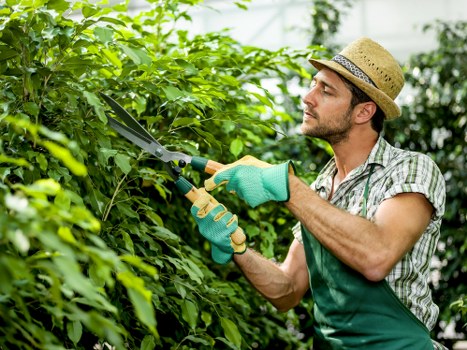
Before any tree lopping and removal in Stratford begins, a proper assessment should be carried out. This is one of the most important parts of the process because it determines whether pruning, reduction, or removal is the safest and most effective choice. A trained arborist looks at the tree’s health, shape, age, structure, and position relative to buildings and boundaries.
They also consider external factors such as nearby utility lines, access restrictions, nesting wildlife, and the condition of the soil. For example, a tree growing on a slope or in waterlogged ground may have hidden stability issues. Likewise, a tree that appears healthy from one side may be hollow or decayed on the other.
In Stratford, where properties can be tightly packed, the assessment also helps identify how the work will be completed without causing damage. This may involve section dismantling, rope work, controlled lowering of branches, or traffic-aware planning for roadside trees.
What a Professional Will Usually Check
- The overall vitality of the tree
- Evidence of pests, disease, or rot
- Trunk integrity and branch union strength
- Root stability and ground conditions
- Potential impact on buildings, fencing, and paving
- Risk to people, vehicles, and neighbouring property
Good assessments help prevent unnecessary removal and ensure that any tree lopping in Stratford is done with a clear purpose. They also reduce the chance of hidden issues becoming bigger problems later.
How Professional Tree Lopping and Removal Is Carried Out

Professional tree lopping and removal in Stratford follows a careful process designed to protect people, property, and the surrounding landscape. The work often begins with site preparation, which may include setting up barriers, identifying hazards, and deciding how debris will be cleared away. If the tree is close to a house, fence, or busy footpath, extra precautions are essential.
For tree lopping, branches are usually removed in stages. This allows the arborist to maintain balance, reduce the weight gradually, and avoid unnecessary stress on the trunk. Pruning cuts are made with precision so the tree can heal as well as possible. The aim is not to hack away indiscriminately, but to shape and reduce the tree in a controlled way.
Tree removal is often more complex. Large trees may need to be dismantled piece by piece, especially if there is not enough space to fell them in one direction. Climbers and rigging systems may be used to lower sections safely to the ground. In tighter Stratford locations, this method is often the most practical and least disruptive.
Once the trunk is removed, stump grinding may follow. This helps clear the area for replanting, landscaping, or safer use of the space. Debris is typically chipped, stacked for disposal, or removed from the site depending on the service arranged.
Typical Steps in a Removal Job
- Initial inspection and hazard review
- Protecting the work area
- Sectional dismantling or controlled felling
- Cutting and lowering branches and trunk sections
- Removing debris and timber
- Grinding the stump if requested
Benefits of Professional Tree Care in Stratford
Choosing professional help for tree lopping and removal in Stratford offers more than convenience. It improves safety, preserves property value, and helps ensure the work is completed correctly. Trees that are cut without experience can become unstable, regrow poorly, or suffer long-term damage. Professional care reduces those risks significantly.
One major benefit is improved safety around your property. Overextended branches, decayed limbs, and unstable trunks can all pose hazards during storms or high winds. Timely work helps reduce the chance of falling debris and sudden tree failure. This is particularly important in Stratford, where homes and businesses often sit close to shared boundaries and public access points.
Another advantage is better appearance. Trees that have been shaped correctly can enhance the look of a property, create a cleaner outline, and make gardens feel more open. A well-managed tree can serve as a feature rather than a burden. This makes tree lopping Stratford services valuable for both practical and visual reasons.
Other Important Benefits
- Improved sunlight and air circulation
- Reduced interference with roofs, gutters, and windows
- Lower risk of storm-related damage
- Better access for vehicles and pedestrians
- More usable garden or yard space
- Potentially healthier remaining trees through selective pruning
Tree removal Stratford services can also support future landscaping plans. Once unsafe or unsuitable trees are cleared, property owners have more options for planting, paving, or redesigning the outdoor area in a safer and more practical way.
Tree Lopping, Tree Removal, and Safety Considerations
Safety should always be the top priority when dealing with trees. Tree lopping and removal in Stratford involves heavy branches, sharp tools, climbing equipment, and sometimes unstable structures. Even a relatively small tree can be dangerous if it falls in the wrong direction or if hidden decay causes a sudden break.
That is why it is wise to leave the job to trained professionals rather than attempting to cut large branches yourself. DIY work can lead to injury, property damage, or incomplete removal that causes problems later. A professional team has the training and equipment to handle difficult conditions safely and efficiently.
It is also important to consider local rules and permissions. Some trees may be protected by a tree preservation order or subject to planning restrictions. Before work starts, it is sensible to check whether approval is needed. A reputable tree specialist can help identify these issues during the planning stage.
Why Safety Checks Matter
Careful planning is not an extra step; it is part of responsible tree care. Safety checks help ensure the chosen method suits the tree, the site, and the weather conditions. They also help protect neighbouring structures and reduce disruption for surrounding residents and businesses.
Choosing the Right Tree Service in Stratford
When looking for tree lopping and removal in Stratford, it helps to choose a service that combines practical experience with a careful approach. Not every tree issue needs complete removal, and not every overgrown tree should be heavily cut back. A good provider will explain the difference clearly and recommend the most suitable option.
Look for teams that assess the tree properly, use safe working methods, and understand how to manage work in built-up areas. The best results usually come from providers who treat each tree as a unique case rather than applying the same method to every job.
It also helps to choose a service that can handle follow-up tasks such as stump grinding, debris clearance, and site tidy-up. This makes the process smoother and leaves the property in a more usable condition once the work is complete. For many owners, that convenience is a major reason to arrange professional help.
What to Expect from a Reliable Service
- Clear explanation of the recommended work
- Attention to safety and property protection
- Appropriate tools and equipment for the job
- Respect for neighbouring spaces and access limitations
- Efficient removal of branches and waste
- Options for pruning, reduction, removal, and stump grinding
If you are unsure whether a tree needs lopping or full removal, contact us today for an expert assessment and practical advice tailored to your Stratford property.
Managing Different Types of Trees in Stratford
Tree lopping and removal in Stratford can vary depending on the species involved. Some trees respond well to pruning and reduction, while others are more sensitive to heavy cutting. Understanding the tree type helps ensure the work supports future health rather than causing stress or decline.
Fast-growing species may require more frequent maintenance because they can quickly outgrow their available space. Mature ornamental trees, on the other hand, may need careful shaping to preserve their form. Large canopy trees may require more complex planning because of their size, while smaller garden trees may be easier to manage but still need proper technique.
In all cases, the aim is to match the treatment to the tree’s condition and purpose. A tree that provides shade, privacy, or habitat value may be worth preserving through pruning. A tree that is unstable, invasive, or damaging surrounding structures may be better removed.
Factors That Influence Tree Care Decisions
- Species and growth habit
- Age and maturity
- History of previous pruning
- Available space above and below ground
- Current health and structural condition
- Surrounding buildings and infrastructure
Tree Removal After Storms and Emergency Situations
Storms can change the condition of a tree very quickly. A tree that looked stable one day may be partially uprooted the next, with broken branches hanging dangerously overhead. In Stratford, where weather can be unpredictable and properties are often close together, emergency tree removal may be required to restore safety.
After a storm, it is important not to assume a damaged tree is safe just because it is still standing. Hidden cracks, loosened roots, and split trunks can make a tree far more dangerous than it appears. Professional inspection helps determine whether the tree can be saved with pruning or whether removal is the safer option.
Emergency work often involves rapid stabilisation, branch clearance, and controlled dismantling. The aim is to remove immediate danger while preventing further damage to the property. If access is blocked or debris is spread across a driveway or garden, prompt action can also help restore normal use more quickly.
Good Practice After Severe Weather
- Keep away from leaning or damaged trees
- Avoid standing under broken limbs
- Do not attempt unsafe cuts yourself
- Arrange a professional inspection quickly
- Consider stump and debris removal for complete site recovery
Improving Property Value and Outdoor Usability
Well-managed trees can make a property look established, attractive, and cared for. However, neglected growth or dangerous trees can have the opposite effect. Tree lopping and removal in Stratford can improve the appearance and usability of gardens, commercial forecourts, and private driveways, making them more appealing and functional.
Reducing overgrowth can open up views, increase daylight, and make outdoor areas feel larger. Removing a dead or awkwardly placed tree can also create space for seating, planting, parking, or play. For landlords, homeowners, and business owners alike, these improvements can contribute to a more polished and practical property.
There is also a longer-term benefit. Removing unstable or badly positioned trees now can help prevent expensive damage later. That includes damage to foundations, fences, rooflines, paths, and underground services. In that sense, professional tree care is often a sensible investment rather than just a maintenance cost.
A Practical Final Thought
Tree lopping and removal in Stratford should always be planned with care, carried out safely, and tailored to the condition of the tree and the needs of the site. Whether you need selective pruning, height reduction, stump grinding, or complete removal, the right service can help protect your property and keep your outdoor space looking its best. Book your service now and take the first step toward safer, cleaner, and better-managed trees in Stratford.