Recycling and Sustainability at Gardeners Stratford
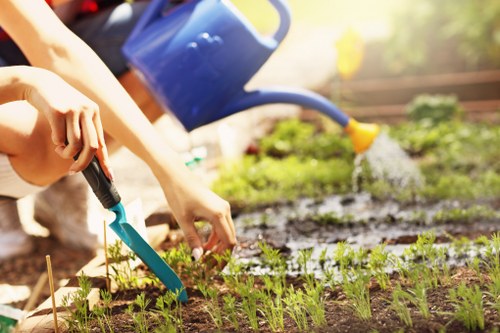 At Gardeners Stratford, sustainability is built into the way we manage outdoor spaces, from pruning and planting through to the responsible handling of green waste and recyclable materials. Our approach to recycling in Stratford supports cleaner gardens, lower landfill use, and a more efficient cycle for turning organic matter back into useful resources. We work with local waste streams in a practical, borough-aware way, helping ensure materials are sorted correctly and diverted from general refuse wherever possible.
For many clients, sustainability starts with simple separation at source. In areas such as Stratford and the wider East London borough network, household and commercial waste systems often distinguish between general waste, dry mixed recycling, food waste, and garden waste. That local structure matters to our work because it encourages the right handling of soil, branches, cardboard packaging, metal fixtures, and biodegradable cuttings. As a result, garden recycling services in Stratford can be aligned with borough expectations and handled with far less unnecessary disposal.
 A major part of our sustainability policy is a clear recycling percentage target. Gardeners Stratford aims to recycle or repurpose at least 85% of the material collected from routine garden maintenance, with a focus on green waste, reusable timber, compostable matter, and suitable metals. We monitor what can be shredded, mulched, chipped, composted, or sent onward for specialist recycling. This target keeps our work measurable and pushes us to improve year after year.
Our local material handling also includes the use of nearby transfer stations, which helps streamline the movement of waste and recyclable loads without unnecessary long-distance transport. By using transfer facilities within the borough and nearby districts where appropriate, we reduce idle mileage and improve sorting efficiency. This matters for larger garden clearances, seasonal cut-back projects, and the collection of bulky items such as broken fencing, old pots, or surplus landscaping debris. In practice, it means greener logistics and less pressure on landfill routes.
Recycling Stratford gardeners can be more than just a disposal process; it can also support local charities and community re-use. Where items are suitable, we separate out planters, tools, garden furniture, trellises, and decorative materials that may still have a second life. Through partnerships with charities and reuse organisations, selected materials can be passed on for refurbishment, redistribution, or low-cost community use. This approach keeps useful items in circulation while supporting local causes.
 The benefits extend beyond the garden itself. Recycling branches, hedge trimmings, and grass cuttings allows us to create mulch or green compost inputs, helping reduce the need for imported materials in future planting projects. Even small details contribute: cardboard sleeves from plant deliveries, plastic plant trays that can be cleaned and sorted, and metal fixings removed from old structures all play a role in our wider resource recovery process. These habits make garden waste recycling in Stratford more effective and more sustainable.
We also consider the carbon impact of every journey. Our low-carbon vans are selected to reduce emissions while carrying out regular garden visits, waste transfers, and maintenance rounds. Efficient routing, reduced idling, and modern fuel-saving technology all help to lower our footprint. For a service that depends on frequent local travel, these choices are essential. They support a cleaner operation and reinforce our commitment to low-emission urban garden care.
In boroughs around Stratford, waste separation can be quite specific, and we respect those local systems in the way we organise our loads. For example, materials are split into green waste, mixed recyclables, reusable items, and non-recyclable residue so that each stream can be handled appropriately. That means avoiding contamination and improving the likelihood that collected materials are actually processed rather than rejected. In an area where recycling performance is closely linked to proper sorting, this detail matters.
We also support sustainability by specifying recycled or recyclable materials wherever possible in our garden work. This can include products with recycled-content packaging, responsibly sourced compost, and replacement materials chosen for durability. By thinking carefully about the full lifecycle of what we use, Gardeners Stratford recycling practices become part of a broader environmental standard rather than a simple collection activity.
 Another important element is the way we handle seasonal surges in garden waste. After heavy pruning, leaf fall, or storm clearance, material volumes can increase quickly, so sorting and transfer planning become even more important. Instead of sending everything to general disposal, we prioritise routes that support recovery and reuse. This keeps the process efficient, reduces pressure on local infrastructure, and makes the most of naturally recyclable garden matter.
Our sustainability measures also reflect the varied character of Stratford and surrounding districts, where residential gardens, communal courtyards, and commercial green spaces all generate different waste profiles. A shared courtyard may produce more lightweight litter and packaging, while a larger private garden may generate branches, turf, and soil spoil. By tailoring recycling methods to each setting, we improve results and keep the process practical for clients with very different outdoor spaces.
 Ultimately, Gardeners Stratford is committed to making gardening cleaner, smarter, and more environmentally responsible. From a measurable recycling target to local transfer station use, charity partnerships, and low-carbon vans, every part of our process is designed to reduce waste and support a circular approach. For anyone looking for sustainable gardening in Stratford, our recycling-led methods offer a thoughtful way to care for outdoor spaces while caring for the wider environment too.