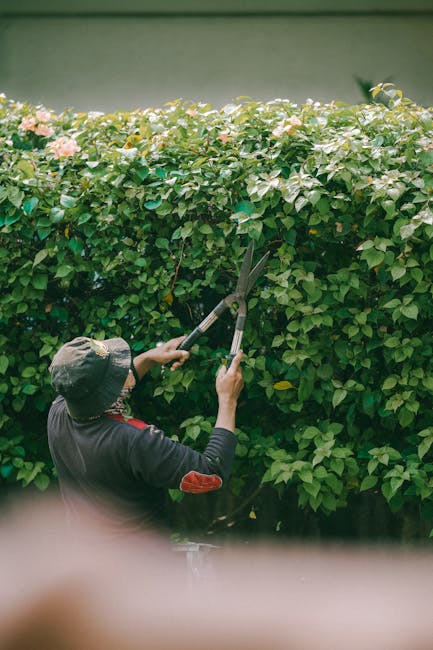
Real cost guide Stratford gardeners and garden maintenance fees
If you are trying to work out what Stratford gardeners actually charge, you are not alone. Garden pricing can feel oddly slippery at first: one quote looks reasonable, the next feels high, and both may be fair depending on the garden. This Real cost guide Stratford gardeners and garden maintenance fees breaks down the main cost drivers, what different services usually involve, and how to judge value without getting caught out by vague pricing.
Whether you need a one-off tidy-up, regular garden maintenance, hedge trimming, or a bigger recovery job after months of neglect, the right price depends on the work, access, garden size, and how quickly the space can be brought back under control. Let's make it simple.
Why Stratford garden maintenance fees matter
Pricing matters because gardens are rarely straightforward. A quick mow on a flat, open lawn is one thing. A front garden full of edging, weeds, clipped shrubs, and a narrow side return is another. In Stratford, where many homes have compact outdoor spaces, shared access, and a mix of older and newer properties, the final cost often reflects the time spent moving through the job rather than just the visible square footage.
Understanding fees helps you do three useful things. First, it lets you compare quotes properly. Second, it helps you budget for ongoing upkeep instead of waiting for a "garden emergency" in spring. Third, it tells you whether you are paying for a proper maintenance visit or just a token tidy. There is a big difference.
It also helps when planning related work. For example, if your border is overrun and the hedge is out of shape, it may make sense to combine maintenance with a specific service like regular garden maintenance, lawn mowing, or even hedge trimming. That can be more efficient than booking separate callouts. And yes, on small jobs, travel and setup can make a surprising difference to the price.
Practical takeaway: the cheapest quote is not always the best value. A clear, itemised quote that explains labour, waste removal, and frequency is usually the safer choice.
How garden maintenance pricing works
Most Stratford gardeners price work using one of four common approaches: hourly rates, fixed visit prices, package maintenance plans, or job-based quotes for larger tasks. The best method depends on how predictable the work is.
Hourly pricing suits jobs where the scope is hard to pin down. Think of a border that has become swallowed by weeds, a patchy lawn needing care, or a general tidy where the customer wants the gardener to assess the space first. It is flexible, but you should still ask for an estimate of how long the job is likely to take.
Fixed visit pricing is common for recurring maintenance. A gardener might price a fortnightly or monthly visit based on what typically gets done in that timeframe: mowing, edging, weeding, pruning, and tidying. This is often easier to budget for, and many homeowners prefer the certainty.
Package plans bundle services together. A garden maintenance plan might include mowing, weeding, seasonal pruning, leaf clearance, and light bed care. If you already know what your garden needs each month, this can be efficient. If your garden changes a lot through the year, it helps to review the package before committing.
Project quotes are usually used for larger or one-off jobs such as neglected garden clearances, heavy hedge reduction, patio cleaning, or landscaping-related work. These quotes should reflect labour, materials, waste disposal, and any special access issues.
One thing people often miss: maintenance fees are not just about time on site. Travel, tool setup, waste handling, and the level of skill required all sit inside the price. A gardener who knows how to manage tricky pruning or revive a tired lawn is not simply "charging for an hour"; they are charging for judgement, which matters more than people think.
Key benefits and practical advantages
Regular garden maintenance is not just about keeping things neat. Done properly, it protects the value and usability of your outdoor space. A tidy garden is easier to enjoy, easier to inspect, and usually cheaper to maintain over time. That last point is worth underlining.
- Better long-term value: small, regular visits prevent bigger repairs later.
- More predictable spending: you avoid the shock of a large recovery bill after months of buildup.
- Healthier plants and lawn: frequent care catches problems early, before they spread.
- Safer outdoor spaces: cleared paths, trimmed growth, and tidy edges reduce trip hazards.
- Less weekend stress: not everyone wants to spend Saturday wrestling brambles, to be fair.
For Stratford households with children, pets, older relatives, or just a busy pace of life, the biggest benefit is often time. You get the garden back without sacrificing an entire weekend. If the outdoor space is part of how you relax, that matters a lot.
Maintenance also supports other improvements. For example, if you are planning planting changes, it helps to read about easy and affordable low-maintenance garden tips, weed control strategies, or ground cover plants for UK gardens. Choosing the right planting scheme can reduce future labour costs, which is a quiet win people appreciate later.
Who this is for and when it makes sense
This guide is for anyone trying to decide whether a gardener is worth the fee, what kind of service fits their garden, or how to budget realistically. It is especially useful if you fall into one of these groups:
- Homeowners who want a tidy garden without spending every weekend on it
- Landlords who need outdoor spaces kept presentable between tenancies
- Busy families with gardens that slide down the priority list in winter and spring
- Older residents who want reliable help with physical jobs such as weeding or hedge cutting
- People with overgrown or neglected gardens that need staged recovery work
- Anyone comparing regular maintenance with one-off visit pricing
It makes sense to hire help when the garden is starting to feel heavier than the time you have available. A small, recurring fee can be easier to handle than a large one-off clearance. It also makes sense when tasks require ladders, powered tools, or more physical effort than you are comfortable with.
A lot of people wait too long. The grass gets thick, the weeds seed, the hedge becomes a wall, and suddenly the quote jumps because the work is no longer "maintenance" but restoration. If that sounds familiar, you are not the only one. Plenty of gardens drift that way.
Step-by-step guidance
If you want a fair price and a result that actually matches your needs, follow a simple process. It keeps the conversation with the gardener focused and helps you avoid paying for things you do not need.
- Walk the garden and note the problem areas. Look at the lawn, borders, hedges, paving, and access routes.
- Decide what type of help you need. Is it mowing, weeding, pruning, clearance, or a combination?
- Choose between one-off and recurring work. Regular maintenance often lowers the amount of catch-up work each visit needs.
- Measure the rough scale of the job. You do not need a surveyor's eye. A basic sense of size and complexity is enough.
- Ask what is included in the price. Clarify labour, waste removal, materials, and whether the quote covers a return visit.
- Check whether access creates extra time. Narrow side paths, locked gates, shared entrances, and parking can all affect the job.
- Compare like for like. Two quotes only make sense if they cover the same scope. Otherwise you are comparing apples and pears.
- Set a review point. If you book regular maintenance, agree when the service will be reviewed and adjusted.
A sensible approach is to start with the worst pain point first. Maybe that is the lawn. Maybe it is the hedge. Maybe the patio is slippery and dull. Cleaning up the highest-impact area often makes the whole garden feel better straight away, which is motivating in a way people sometimes underestimate.
Expert tips for better results
In our experience, the best value comes from a maintenance plan that is slightly tailored rather than overly rigid. Gardens change through the seasons, and Stratford weather does what it likes, frankly. A good gardener will adjust the work rather than forcing the same checklist every visit.
Here are a few tips that usually help:
- Bundle jobs sensibly. If the hedge and lawn are due at the same time, combining them often reduces wasted setup time.
- Keep paths and access clear. A gardener can start faster if they are not moving bags, bins, or furniture around first.
- Be honest about the state of the garden. "Needs a tidy" and "wild at the back" are not the same thing.
- Ask for seasonal priorities. Spring growth, summer mowing, autumn leaf clearance, and winter protection all have different demands.
- Choose plants with maintenance in mind. Useful guides like container gardening ideas and herb garden tips can make upkeep easier.
One small but important point: if your garden includes fast climbers, ivy, or dense hedging, maintenance will usually take longer than you expect. You can reduce future fees by planning for growth instead of fighting it later. For practical reading, the guides on rapid-growing privacy hedges and removing stubborn ivy are useful background if you are rethinking what should stay in the garden at all.
Common mistakes to avoid
The biggest pricing mistake is assuming all garden work is interchangeable. It is not. Mowing a simple lawn is very different from cutting back overgrown borders, dealing with ivy, or clearing a neglected plot. That difference should show in the quote.
Other mistakes crop up again and again:
- Comparing quotes with different scopes. One may include waste removal while another does not.
- Ignoring access issues. Tight entrances and poor parking can add time.
- Choosing solely on price. The lowest quote can become expensive if the work is rushed or incomplete.
- Letting the garden deteriorate too long. A little maintenance now usually costs less than a major catch-up later.
- Forgetting seasonal timing. Waiting until everything has exploded into growth is never the bargain you hope it is.
There is also a softer mistake: not saying what you want. If you want the lawn cut short, the beds left natural, or the patio cleaned as well, say so at the start. Gardeners are practical people. Clear instructions save everyone time and a bit of back-and-forth.
Tools, resources and recommendations
If you are managing a garden yourself between visits, a few basic tools make life easier and help reduce the amount of paid labour needed. A good pair of shears, a sturdy rake, a lawn mower suited to your plot, a weeding tool, gloves, and a simple bucket or trug go a long way. Fancy gear is not essential. Reliable gear is.
For homeowners who like to stay involved, the article on must-have gardening tools is a useful starting point. If you are trying to reshape the garden itself to reduce ongoing costs, the following can help:
- Vertical gardening for compact spaces
- Child-friendly garden design where safety matters
- Pet-friendly garden planning to reduce damage and mess
- Seating area ideas if you want the space used more often
For more substantial jobs, it can also make sense to look at services beyond general maintenance. A garden with heavy structural work may need landscaping, while dead or dangerous trees may call for tree surgery. If boundaries are affecting the look or privacy of the garden, fencing may be part of the long-term plan. That kind of joined-up thinking often saves money later.
Law, compliance, standards and best practice
Garden maintenance is usually straightforward, but good practice still matters. A professional gardener should work safely, respect property boundaries, use tools responsibly, and handle waste in a sensible way. If a task involves powered equipment, ladders, climbing, or heavier cutting, safety becomes more important, not less.
It is reasonable to ask how a gardener manages insurance, site safety, and protective practices. You are not being awkward. You are being sensible. The site's own insurance and safety information and health and safety policy are worth reviewing if you want to understand the standards behind the work.
From a customer point of view, best practice includes:
- Clear written agreement on what is included
- Transparent pricing and quote detail
- Safe access for workers and equipment
- Proper waste handling and tidy site finish
- Respect for any agreed boundaries, planting schemes, or protected areas
If you need to understand how a provider handles customer expectations, it is sensible to read their terms and conditions, payment and security information, and complaints procedure. Those pages do not make the garden prettier, admittedly, but they do make the experience clearer and more trustworthy.
And if you want to know more about the business itself, about the team can help build confidence before you book.
Options, methods and cost comparison
Different garden situations suit different pricing methods. Here is a simple comparison to help you think through what may fit best.
| Pricing method | Best for | Pros | Watch-outs |
|---|---|---|---|
| Hourly rate | Unclear or mixed jobs | Flexible, easy to start | Final cost can vary if scope is not clear |
| Fixed visit fee | Regular maintenance | Predictable budgeting, simple to plan | Needs a clear checklist of what is included |
| Package plan | Ongoing care across the year | Good for routine upkeep and seasonal work | May include tasks you do not need every visit |
| Project quote | Clear one-off jobs | Best for bigger clearances or defined jobs | Changes to scope can affect price |
If your garden has been neglected for a while, a project quote can make more sense than a standard maintenance visit. The article on reviving a neglected garden is especially relevant here, because recovery work tends to involve more labour, more waste, and a more careful plan than a regular trim.
Case study or real-world example
Here is a realistic example based on the kind of situation many Stratford homeowners face.
A couple moved into a terrace property with a small rear garden. The lawn was uneven, the borders were weedy, and the hedge at the back had outgrown the space. At first they assumed a single tidy-up would sort everything. But once the gardener reviewed the garden, it was clear the work needed splitting into stages: clearance first, then hedge reduction, then a routine maintenance plan.
That approach ended up being calmer and more cost-effective. The first visit focused on clearing the obvious mess and making safe access around the beds and path. The second tackled the hedge and a better lawn cut. After that, the garden was switched onto a regular maintenance rhythm. Nothing dramatic. Just steady, sensible work.
The lesson? A garden does not always need the biggest job first. Sometimes the best value comes from sequencing the work properly. A tidy, small-step plan often beats one heroic all-in visit, especially when the garden has been left to get on with its own thing for a while.
Practical checklist
Use this before you request or accept a quote.
- Have I listed the exact tasks I want done?
- Do I know whether this is a one-off job or regular maintenance?
- Have I mentioned access issues, parking, gates, or awkward side paths?
- Do I need waste removal included?
- Have I checked whether the quote includes edging, pruning, and tidying?
- Do I want the garden left neat, or fully reset?
- Have I considered whether a different service may be more suitable, such as lawn care or hedge trimming?
- Is there any safety concern, such as unstable branches or slippery surfaces?
- Do I want a seasonal plan to reduce future costs?
- Have I reviewed the provider's policies and pricing information?
Honestly, this checklist saves a lot of second-guessing later. A ten-minute walk around the garden with a notebook can be the difference between a clean quote and a messy one.
Get a free quote today and see how much you can save.
Conclusion
The real value in understanding Stratford gardeners and garden maintenance fees is not just finding the lowest price. It is knowing what you are paying for, what good service looks like, and how to stop a manageable garden from becoming a costly project. Regular care usually wins in the long run, especially where lawns, hedges, and borders need steady attention through the seasons.
If you keep the scope clear, compare quotes properly, and choose services that fit the actual condition of your garden, the whole process becomes far less stressful. That is really the aim here: a garden that feels cared for, not a budget that feels pushed around.
And if the garden outside is quiet and a little overgrown right now, that is fine. It can be brought back. One sensible visit at a time.
Frequently Asked Questions
How much do Stratford gardeners usually charge for garden maintenance?
Fees vary depending on the size and condition of the garden, the tasks involved, and whether the work is one-off or recurring. A small regular visit generally costs less than a neglected garden clearance because it involves less labour and fewer surprises.
What affects the cost of garden maintenance the most?
The biggest factors are garden size, access, the amount of weeding or pruning needed, waste removal, and whether the job is routine or restorative. A neat lawn is quicker to manage than a plot full of dense growth.
Is a regular maintenance plan cheaper than one-off visits?
Often, yes. Regular visits reduce the amount of catch-up work needed each time, which can make budgeting more predictable and the garden easier to manage overall.
Do gardeners charge more for overgrown or neglected gardens?
They usually do, because neglected gardens take longer to clear and may need additional services such as hedge reduction, weed removal, or waste handling. A standard maintenance fee is not usually enough for a full revival job.
Should waste removal be included in the quote?
It should be made clear either way. Some quotes include waste removal, while others treat it as an extra. Always ask so you are comparing the same scope of work.
What is the difference between garden maintenance and lawn care?
Garden maintenance is broader and can include mowing, weeding, hedge work, pruning, and tidying. Lawn care focuses more specifically on the health and appearance of the grass.
Can I save money by combining several jobs in one visit?
Usually, yes. Combining tasks like mowing, edging, and hedge trimming can be more efficient than booking them separately, as long as the gardener has time and the quote reflects the full scope properly.
How do I know if a gardening quote is fair?
Check whether the quote explains what is included, how much time is expected, whether waste removal is covered, and whether the work matches the garden's actual condition. A fair quote is clear, not mysterious.
Do I need to prepare the garden before the gardener arrives?
It helps. Clearing toys, bins, moveable furniture, and anything fragile gives the gardener better access and can save time. Small preparation can make a noticeable difference.
What if my garden needs more than maintenance?
If the garden needs structural changes, major clearance, or safety-related work, a broader service may be more suitable. In some cases, landscaping, tree surgery, or fencing work is the better next step.
Are gardeners responsible for safety while working?
Yes, they should follow safe working practices and use equipment responsibly. It is sensible to ask about insurance and safety arrangements before booking, especially for jobs involving ladders, cutting equipment, or trees.
How often should garden maintenance happen?
That depends on the garden. Fast-growing lawns and hedges may need more frequent attention through spring and summer, while lower-maintenance spaces can often be visited less often. Seasonal growth is the main guide.