Avoid common mistakes when hiring Stratford gardeners
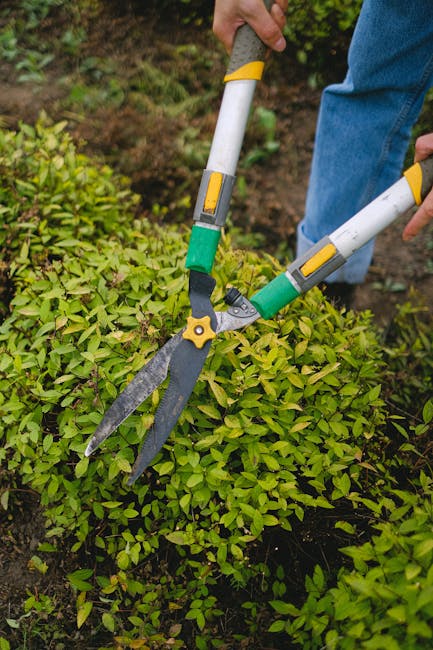
Hiring a gardener should make life easier, not turn into another little project on your weekend to-do list. Yet people in Stratford often rush the decision, compare quotes too quickly, or forget to check the basics, and then wonder why the lawn looks patchy or the hedge is cut a bit oddly. If you want to avoid common mistakes when hiring Stratford gardeners, the answer is usually simple: slow down, ask better questions, and look at the whole job, not just the price.
This guide walks you through the practical stuff that matters in real life: what to ask, how to compare gardeners fairly, which warning signs to spot early, and how to choose someone who fits your garden rather than forcing your garden to fit them. It is written for homeowners, landlords, and busy people who just want a reliable, tidy result without drama. Fair enough, that sounds obvious. But in practice, it is where many hiring mistakes begin.
- Why this matters
- How the hiring process works
- Key benefits of getting it right
- Who needs this guidance
- Step-by-step hiring guidance
- Expert tips for better results
- Common mistakes to avoid
- Tools, resources and recommendations
- Compliance and best practice
- Options and comparison table
- Real-world example
- Practical checklist
- Conclusion
- Frequently asked questions
Why Avoid common mistakes when hiring Stratford gardeners Matters
A good gardener does more than cut grass and tidy borders. They help protect plant health, keep outdoor spaces manageable, and make sure seasonal jobs are done at the right time. A poor hire, by contrast, can leave you with damaged plants, wasted money, or a garden that needs extra work to put right. That is annoying at best and expensive at worst.
In Stratford, gardens can be a mix of compact town plots, family spaces, paved courtyards, and more established outdoor areas. That variety matters. A gardener who is great at simple lawn mowing might not be the right fit for hedge shaping, border renewal, or a neglected garden revival. So the issue is not just finding a gardener. It is finding the right gardener for your garden and the way you use it.
There is also a trust factor. Someone will be working around your home, tools, gates, paths, pets, and maybe even children. You want clear communication and sensible standards. If that sounds a bit basic, good. Basic is exactly what people often forget when they are focused on speed.
Expert summary: The best hiring decisions are usually not the cheapest or the quickest. They are the ones where expectations, scope, timing, and safety are clear from day one.
For gardeners who focus on wider garden improvements, it can also help to understand the kinds of projects they handle. For example, if you are planning a more structured redesign, services such as landscaping may be more relevant than a simple one-off tidy-up. If your space needs weekly or seasonal upkeep, then garden maintenance may be the better fit. The key is matching the work to the service.
How Avoid common mistakes when hiring Stratford gardeners Works
The hiring process is really a sequence of decisions. First, you define the job. Then you check who can actually do it. After that, you compare quotes, confirm what is included, and agree on timing. Simple enough in theory. In practice, the details get fuzzy fast.
Here is the basic flow most homeowners should follow:
- List the jobs you need done, not just the outcome you want.
- Separate one-off tasks from regular maintenance.
- Ask whether the gardener has done similar work before.
- Request a written quote that explains what is included.
- Check how they handle waste removal, access, and timings.
- Confirm insurance, payment terms, and any safety concerns.
- Start with a smaller job if you are unsure.
That last point is underrated. If someone is coming in to trim hedges, clear weeds, or tidy beds, you can judge their attention to detail before giving them a bigger project. A first visit tells you a lot: do they arrive prepared, do they communicate clearly, do they leave things clean, do they respect the space? You notice.
For jobs like hedge shaping, timing and technique matter as much as the cut itself. If you are trying to find someone for that sort of work, it can help to look at their approach to specialist tasks such as hedge trimming and whether they understand the shape, growth habit, and aftercare involved. For a deeper look at hedge form and technique, the guide on hedge-trimming shapes and techniques is a useful companion read.
Key Benefits and Practical Advantages
Getting the hire right saves more than money. It protects your garden's structure, your time, and your sanity, which is no small thing when the borders are overgrown and the lawn has started looking like a meadow after a rainy week.
- Better results: The right person understands plant care, pruning, mowing patterns, and seasonal timing.
- Less rework: You avoid paying twice to fix rushed or poorly planned work.
- Clearer budgets: Accurate quotes help you compare like with like.
- Safer work: Good gardeners use sensible safety practices around tools, ladders, and waste.
- Lower stress: You know who is doing what, when, and why.
There is also a less obvious benefit: a better relationship with your outdoor space. When a gardener works well, the garden becomes easier to maintain between visits. That often means fewer weeds, healthier growth, and less of the "it all needs doing again already" feeling.
If your garden is part of family life, the benefit is even bigger. A practical, tidy layout makes it easier to use the space day to day. Articles like designing inviting seating areas and creating a fun and safe garden space for children can help you think beyond basic maintenance and plan for how the garden will actually be lived in.
Who This Is For and When It Makes Sense
This advice is useful for almost anyone hiring gardening help in Stratford, but it is especially relevant if any of the following sound familiar:
- You have a garden that has become hard to keep up with.
- You need regular maintenance rather than one big tidy-up.
- You want hedge trimming, lawn care, or border work done properly.
- You have pets, children, or vulnerable access areas to think about.
- You are comparing several quotes and they all seem strangely different.
- You have had a bad experience before and want to avoid a repeat.
It also makes sense if you are moving into a property and do not yet know how much work the garden needs. In that situation, a gardener can be part assessor, part problem-solver. They may spot issues like compacted soil, overlooked ivy, broken fencing, or drainage trouble before those small problems get bigger.
For neglected spaces, a specialist approach is often more useful than a generic tidy. A property that has been left for months can need careful staging, not just a quick cut-back. If that is your situation, the article on reviving a neglected garden is a good mindset check before you hire anyone.
Step-by-Step Guidance
1. Define the actual job
Do not say, "I need the garden done." That is too vague. List the real tasks: lawn mowing, hedge cutting, weed removal, leaf clearance, patio cleaning, planting, pruning, or seasonal prep. This makes quotes more accurate and helps the gardener decide whether the job suits their skills.
2. Ask about relevant experience
Different gardens need different skills. Someone who handles routine mowing well may not be the right person for topiary, tree pruning, or redesign work. Be specific. Ask about jobs like lawn care, border maintenance, or dealing with overgrowth.
3. Check what is included in the quote
One quote may include waste removal, while another may not. One may include tools, while another assumes you will provide them. That difference can be the reason a "cheap" quote is not really cheap at all. If pricing is unclear, look at the provider's pricing and quotes information first.
4. Confirm insurance and safety basics
Gardening work can involve ladders, power tools, heavy waste bags, slippery surfaces, and awkward access. That is normal, but it should still be treated properly. A sensible gardener will be able to explain how they handle risks and how they protect both themselves and your property. Their insurance and safety information should not feel like a mystery.
5. Start with a manageable job
If you are unsure, begin with one visit or one clear task. That gives you a live test of communication, punctuality, and finish quality. It is a lot easier to move on from a small mistake than a full garden makeover gone sideways.
6. Review after the first visit
Look at the details. Were edges neat? Was rubbish cleared? Were plants treated carefully? Did the gardener explain anything useful, or just rush off? The first visit often tells you whether the working relationship will be straightforward or a bit of a headache.
Expert Tips for Better Results
If you want better outcomes, here are the habits that make a difference in real homes, not just in polished brochures.
- Use photos: Before the visit, send images of problem areas. A quick photo of the hedge line or patio saves a lot of back-and-forth.
- Be honest about condition: If the garden is more overgrown than you first admitted, say so early. No judgement. It happens.
- Separate urgent from cosmetic: Safety issues and access problems should be dealt with before decorative work.
- Think seasonally: Winter protection, spring clearing, summer mowing, and autumn leaf management are all different jobs.
- Ask about plant knowledge: A gardener who understands the difference between pruning, deadheading, and hard cutting is usually safer to trust.
- Keep a simple record: Note who did what and when. It helps with repeat visits and ongoing maintenance planning.
One practical tip that people miss: ask how the gardener would sequence the job. If they can explain why they would weed before mulching, or why a hedge should be shaped in a certain order, that is a good sign. It means they are thinking, not just cutting.
If your garden includes areas with special needs, that should influence the hire. For example, shady corners may need different planting advice, and windy spots may need more robust structure. Some useful supporting reads include shade-loving climbers and strategies for windy gardens.
Common Mistakes to Avoid
This is the heart of it. Most hiring problems are avoidable if you know what to watch for.
1. Choosing only on price
The cheapest quote can be tempting, especially if the garden looks like it needs a bit of everything. But low price alone does not tell you whether waste removal, time, expertise, or follow-up care is included. Sometimes it does. Sometimes it really, really does not.
2. Being vague about the scope
If you do not define the job clearly, you cannot fairly judge the result. "General tidy" means different things to different people. Some gardeners will trim and clear; others will only cut back what is obvious. Spell it out.
3. Ignoring insurance and safety
This is not the place to assume everything is fine. Ask. A trustworthy gardener should be comfortable discussing safety practices, and you should be comfortable hearing the answer.
4. Forgetting access and waste
Can they get tools through the side gate? Is there room for green waste? Will cuttings be taken away or left in bags? These small things can derail an otherwise straightforward job.
5. Not checking whether the gardener matches the task
There is a big difference between routine garden maintenance and specialist work such as tree surgery or complex landscaping. If your job involves mature trees, do not treat it like a quick tidy. Likewise, if you need a new planting plan or structural change, look beyond basic mowing.
6. Overlooking communication style
It sounds soft, but it matters. If a gardener is hard to reach before the job starts, they may be hard to reach afterwards too. Clear, calm communication is a good indicator of how the work will go.
7. Assuming every garden needs the same approach
A paved courtyard, a child-friendly family garden, and a long lawn all need different priorities. If the gardener speaks as if every outdoor space is identical, that is a warning sign.
There is a reason people end up disappointed after a rushed hire: the job looked simple from the kitchen window, but it was not simple once work began. That is normal. The fix is better questions, not more guessing.
Tools, Resources and Recommendations
You do not need a shed full of gear to make a smart hiring decision. But a few simple tools and references help a lot.
- A written job list: Keep it short and specific.
- Phone photos: Useful for quoting and showing problem areas.
- Basic measurements: Approximate lawn size, hedge length, or patio area can improve quote accuracy.
- A comparison note: Record what each quote includes, not just the total price.
- Site access details: Mention locked gates, parking limits, or tricky entry points.
For maintenance-focused homeowners, it can be helpful to pair the hire with a few practical reading points. If your garden suffers from recurring weeds, the guide on weed control tips is useful. If you want easier upkeep over time, low-maintenance garden tips can help you plan for fewer headaches later.
And if you are the sort of person who likes to do a bit yourself between visits, having the right kit matters. The article on must-have gardening tools is a handy reminder that good tools and good labour often work best together.
Law, Compliance, Standards, or Best Practice
For most domestic gardening jobs, you are not dealing with anything highly formal. Even so, there are sensible UK best practices worth paying attention to.
First, gardeners working with tools, ladders, or other potentially risky equipment should follow sensible safety procedures. You do not need a lecture, but you do need reassurance that work will be carried out responsibly. That is why it makes sense to ask about public liability insurance and general health-and-safety procedures. It is also why a clear health and safety policy is worth reading if you want confidence.
Second, payment terms should be clear before the job begins. Whether you are paying after completion or on another agreed basis, you should know what is expected. A transparent payment and security page can help clarify the process, which is better than awkward surprises at the gate with a muddy wheelbarrow nearby.
Third, if you are using a company for ongoing work, terms and complaint handling matter. That is just good business practice. Look for clear terms and conditions and a fair complaints procedure. It is not about expecting trouble; it is about knowing what happens if something is not right.
Finally, if your project involves trees, fencing, decking, or larger structural changes, do not treat it like a standard garden tidy. More specialist work may require a different skill set. In those cases, pages such as tree surgery, fencing, or decking services may be more relevant than general maintenance. The main point is simple: match the job to the right kind of help.
Options, Methods, or Comparison Table
When hiring Stratford gardeners, people usually choose between a one-off tidy-up, regular maintenance, or a specialist job. Each has its place.
| Option | Best for | Pros | Watch-outs |
|---|---|---|---|
| One-off garden tidy | Overgrown spaces, moving house, seasonal reset | Fast visible improvement, useful starting point | May not solve recurring problems |
| Regular garden maintenance | Busy households, ongoing upkeep, lawn and border care | More consistent results, easier long-term control | Needs clear scheduling and expectations |
| Specialist service | Hedges, trees, landscaping, patio or structural jobs | Better technical fit for complex work | Costs and scope vary more widely |
A lot of people begin with a tidy-up, then move to maintenance once they see how much easier the garden becomes. That is usually a sensible path. If your space needs recurring lawn attention, then lawn mowing or broader lawn care may be more appropriate than repeating one-off fixes.
Case Study or Real-World Example
Here is a typical situation. A homeowner in Stratford has a front and back garden that looked manageable in April, then summer arrived, a couple of weeks were missed, and suddenly the hedge is uneven, the lawn is thick in patches, and weeds have crept into the patio edges. They ring around for quotes and choose the cheapest one without asking what is included.
On the first visit, the gardener trims the visible parts quickly but leaves clippings in a corner, skips the awkward section near the fence, and does not mention that the hedge really needed a different cut to stay healthy. The work looks fine from a distance, but up close it is uneven. The homeowner ends up paying again to tidy the finish and then calls someone else for ongoing care.
Now compare that with a better approach. The homeowner explains the full scope, sends photos, asks about waste removal, confirms insurance, and starts with one visit. The gardener arrives prepared, talks through the order of work, and points out that the hedge will need shaping rather than aggressive cutting. The patio is cleared, the lawn edges are sharpened, and the next visit is scheduled before growth gets out of hand.
Not glamorous, perhaps. But that is how good hiring often looks: calm, clear, and quietly effective.
If you are interested in improving a tired outdoor space, the article on reviving a neglected garden pairs well with this example because it shows how planning and sequencing matter just as much as effort.
Practical Checklist
Use this before you confirm a gardener.
- Have I listed the exact jobs I need done?
- Do I know whether this is a one-off or ongoing task?
- Have I compared at least two quotes fairly?
- Is waste removal included or excluded?
- Have I checked insurance and safety basics?
- Does the gardener have relevant experience for my type of garden?
- Are access, parking, and timing clear?
- Do I understand payment terms?
- Is there a way to raise a concern if something goes wrong?
- Does the gardener communicate clearly and respectfully?
If you can tick most of those boxes, you are in a much stronger position than the average rushed hire. And honestly, that alone can save a lot of hassle.
If you are ready to talk through a job properly, you can always start a conversation through the contact page.
Get a free quote today and see how much you can save.
Conclusion
Hiring a gardener should feel reassuring. A good one brings structure, momentum, and a bit of breathing room back into your outdoor space. The trick is not to overcomplicate it, but also not to skim past the details. Define the work. Ask about experience. Check the quote. Confirm safety. Be clear about expectations. It sounds simple because, really, it is.
Most mistakes happen when people treat gardening help like a quick purchase rather than a working relationship. Take a little time up front and the payoff is obvious: less rework, better results, and a garden that feels looked after rather than merely cut back. That is worth doing properly.
And if you do it right the first time, the garden tends to thank you in its own quiet way. Greener. Tidier. Easier to enjoy on a bright Stratford morning. No fuss, just a space that works.
Frequently Asked Questions
How do I know if a Stratford gardener is right for my garden?
Check whether they have experience with the type of work you need, whether it is regular maintenance, hedge trimming, lawn care, or a one-off garden tidy. Ask for a clear explanation of how they would approach your garden, not just a price.
What should be included in a gardener's quote?
A proper quote should explain the work included, any exclusions, whether waste removal is covered, and whether materials or equipment are part of the price. If anything feels vague, ask for it in writing before agreeing.
Is the cheapest gardener usually the best value?
Not always. A low quote can be good value, but only if it includes the work you actually need. Sometimes the cheapest option leaves out waste removal, specialist skill, or enough time to finish the job properly.
Should I choose a gardener for one-off work or ongoing maintenance?
It depends on your garden and your schedule. If the space is heavily overgrown or you need a reset, one-off work makes sense. If you want the garden to stay tidy all year, ongoing maintenance is usually more practical.
What are the biggest red flags when hiring a gardener?
Common red flags include vague pricing, poor communication, no clear scope of work, unwillingness to discuss insurance, and promises that sound too good to be true. If someone avoids simple questions, that is usually a sign to pause.
Do I need insurance for a gardener to work at my home?
You do not need to arrange the gardener's insurance yourself, but you should confirm they have appropriate cover for the work they do. This is especially important if ladders, tools, or heavier equipment are involved.
How often should garden maintenance be booked?
That depends on the size of the garden, the season, and how fast things grow. Some gardens need weekly or fortnightly visits in peak growing periods, while others do well with occasional visits and seasonal checks.
Can a gardener help with more than mowing and weeding?
Yes. Many gardeners can help with hedge trimming, planting, pruning, patio cleaning, and wider garden improvements. For more complex jobs such as tree work or landscaping, make sure they have the right experience.
What should I ask before hiring a gardener in Stratford?
Ask what they specialise in, what the quote includes, whether they remove waste, how they handle safety, what payment terms apply, and how they manage complaints if something goes wrong. Straightforward questions usually lead to straightforward answers.
How can I compare gardeners fairly?
Compare the same job description against each quote. Do not compare a full-service estimate with a stripped-back price that excludes waste removal or extra labour. Make sure you are looking at the same scope, not apples and pears.
Should I ask for a written agreement?
Yes, especially for larger or ongoing jobs. A written agreement reduces confusion about scope, timing, payment, and what happens if plans change. It does not need to be complicated, just clear.
What if my garden needs specialist work?
If the job involves trees, fencing, decking, or landscaping, choose someone with the right experience rather than assuming every gardener covers everything. Specialist work needs specialist judgement. That saves trouble later.
How do I avoid misunderstandings with a gardener?
Be specific from the start, share photos if needed, confirm what is included, and review the first job carefully. A few extra minutes of clarity at the beginning can prevent a week of irritation later.